Temp
Food
Flow
Difficulty
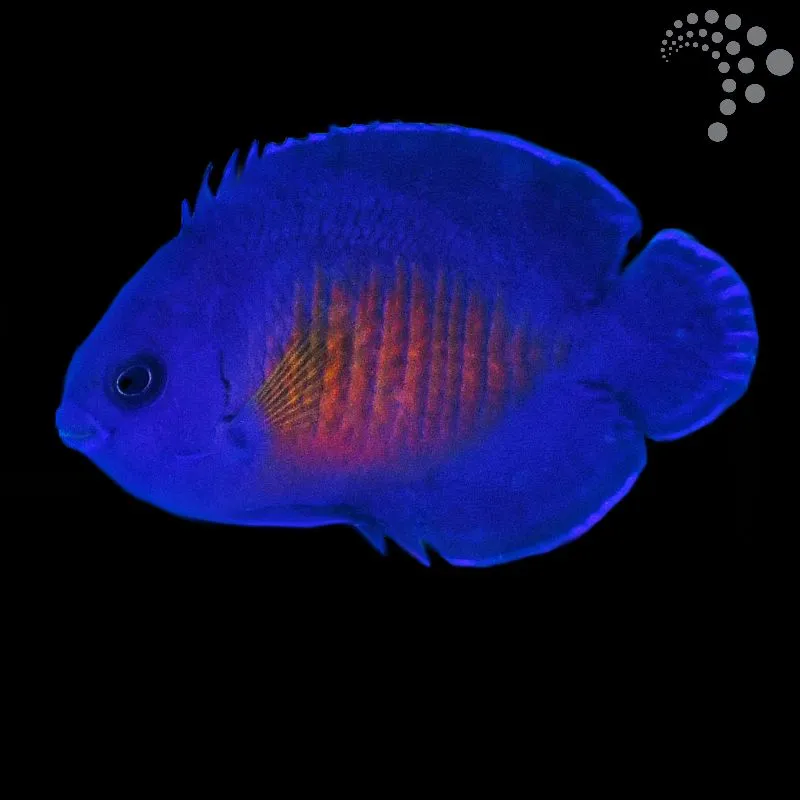
If you’re on the hunt for a vibrant, hardy, and personality-packed marine fish, the Coral Beauty Angelfish (Centropyge bispinosa) is likely to tick all your boxes. Often regarded as one of the most popular dwarf angelfish in the hobby, the Coral Beauty brings a fiery burst of colour and charm to any saltwater setup.
But while they’re tough and relatively easy-going, they still have specific needs that aquarists should be aware of. In this guide, we’ll walk you through how to care for a Coral Beauty properly—covering tank setup, diet, behaviour, compatibility, and a few personal tips gathered from real reef-keepers over the years.
What Makes the Coral Beauty So Special?
Also known as the Twospined Angelfish, the Coral Beauty boasts a dazzling mix of purples, blues, and oranges across its body. No two individuals look quite the same—some lean more orange, others more violet—making each fish unique in its own right.
Their manageable size (growing up to around 4 inches) and generally peaceful temperament make them a great choice for intermediate-level hobbyists. They’re reef-compatible with caution, which we’ll unpack a bit later.
Enter Your email to be sent this care guide
Setting Up the Right Environment
Coral Beauties are active swimmers and curious explorers, often darting in and out of rockwork and nipping around for food. To keep them happy and healthy:
Tank Size: A minimum of 120 litres (roughly 30 gallons) is recommended, though more space is always better, especially in a mixed reef or community setup.
Aquascaping: Provide plenty of live rock with caves and hiding spots. Coral Beauties love to graze and investigate their surroundings.
Water Conditions:
Temperature: 24–27°C
pH: 8.1–8.4
Salinity: 1.020–1.025
Nitrates and phosphates should be kept low—these fish appreciate clean, stable conditions.
Feeding Your Coral Beauty
One of the joys of owning a Coral Beauty is their enthusiastic feeding behaviour. They’re omnivores, and while they’ll peck at live rock throughout the day, you’ll want to supplement their diet.
Diet Tips:
Offer a varied mix of frozen mysis shrimp, brine shrimp, marine pellets, and algae-based foods.
Spirulina, nori (seaweed sheets), and angelfish-specific diets are also great additions.
Feed twice a day if possible—small, consistent portions are ideal.
Pro tip: Keep an eye on their belly and colouration. A well-fed Coral Beauty will have vibrant colours and a full, rounded appearance.
Behaviour and Compatibility
Coral Beauties have big personalities for their size. They’re usually peaceful, but can become territorial—especially towards other dwarf angels or similar-shaped fish.
Tank Mates: They do well with most peaceful fish like clownfish, gobies, blennies, tangs, and even wrasses. Avoid housing them with aggressive species or other dwarf angelfish unless your tank is very large and well-structured.
Reef Safety: Here’s the big question—are Coral Beauties reef safe? The answer is: with caution. Some individuals are perfectly well-behaved in a reef setup, while others might nip at soft corals, clam mantles, or LPS. If you’re running a mixed reef, it’s best to introduce the Coral Beauty last, once all corals are established.
Final Thoughts
The Coral Beauty is a standout addition to almost any marine tank. Their hardy nature, striking colours, and entertaining behaviour make them a firm favourite in the reef-keeping community. While they do have a few quirks—like the occasional coral nip—they’re generally well-mannered and easy to care for with the right setup.
Like with any marine species, the key to success lies in consistency—stable parameters, a balanced diet, and a suitable environment will help your Coral Beauty thrive for years to come.
So, if you’re considering adding one to your tank, go for it. Just be prepared to fall in love with their fiery glow and bold attitude. They’re called beauties for a reason.


