Temp
Food
Flow
Difficulty
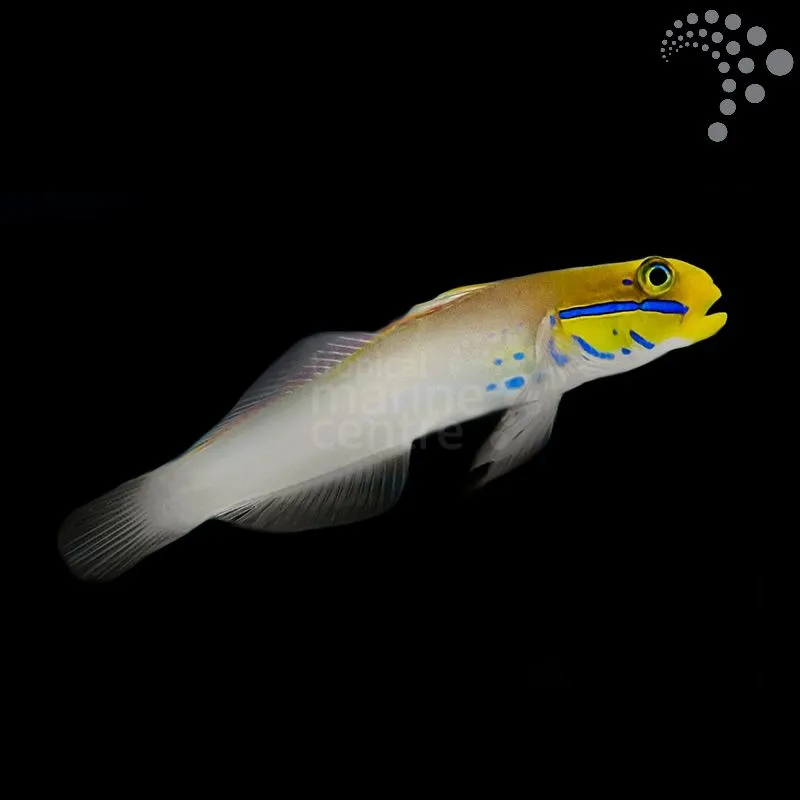
The Blue Cheek Goby (Eviota pellucida) is a small yet charming marine fish native to the reefs of the western Indian Ocean. Known for its vibrant colours and distinctive blue patches around the cheeks, this little goby adds a splash of life to any reef aquarium. Despite its modest size, it boasts a lively personality and is a delight to observe. Perfect for hobbyists looking for an engaging but manageable species, the Blue Cheek Goby is a great addition to well-maintained marine tanks.
Enter Your email to be sent this care guide
How to Care for the Blue Cheek Goby – West Indian Ocean
If you’re thinking about welcoming a Blue Cheek Goby into your marine aquarium, it’s important to understand its specific care requirements. While this species isn’t the most demanding, it does thrive best under certain conditions that closely mimic its natural reef environment. Here’s a detailed guide to help you provide the best care for this beautiful fish.
Tank Requirements
Although the Blue Cheek Goby is a small fish, it still needs space to thrive. A minimum tank size of 80 litres (about 20 gallons) is recommended, especially since it enjoys darting between live rock formations and exploring crevices. Incorporating plenty of live rock in the aquarium setup is essential as it provides natural hiding places and grazing spots. A sandy substrate is also beneficial, as it allows the goby to exhibit its natural behaviour of foraging near the bottom.
The tank should be well-established, with stable water parameters and minimal sudden changes. Avoid overcrowding your tank to reduce stress and territorial disputes, especially since Blue Cheek Gobies can be quite territorial with their own kind or similar small fish.
Water Quality and Parameters
Maintaining stable and clean water conditions is key to keeping your Blue Cheek Goby healthy. Ideal water parameters include:
Temperature: 24°C to 27°C
pH: 8.1 to 8.4
Salinity: 1.023 to 1.025 specific gravity
Flow rate: Moderate, simulating natural reef currents
Regular testing and weekly water changes of about 10-15% help maintain these conditions and keep harmful toxins at bay. A moderate water flow helps mimic their natural environment while providing fresh oxygenated water.
Diet and Feeding
Blue Cheek Gobies are carnivorous and feed primarily on small invertebrates and plankton in the wild. In captivity, they appreciate a varied diet consisting of high-quality frozen or live foods such as:
Brine shrimp
Mysis shrimp
Copepods
Small crustaceans
Finely chopped seafood
They can also be encouraged to accept quality marine flakes and pellets. Feeding small amounts two to three times daily ensures they receive enough nutrition without overfeeding, which can affect water quality.
Compatibility and Behaviour
Blue Cheek Gobies are generally peaceful but can become territorial, particularly with other gobies or small fish occupying similar niches. It’s best to keep only one Blue Cheek Goby per tank unless you have a very large aquarium with plenty of hiding spots.
They coexist well with other peaceful reef fish like clownfish, blennies, and small wrasses. Due to their small size, avoid housing them with large or aggressive species that may bully or prey on them.
Common Health Issues
Like many small reef fish, Blue Cheek Gobies are vulnerable to stress-related illnesses, particularly marine ich (Cryptocaryon irritans). Maintaining optimal water quality, avoiding sudden environmental changes, and quarantining new arrivals can help prevent disease.
Signs to watch out for include white spots, lethargy, loss of appetite, and clamped fins. Prompt treatment at the first signs of illness improves recovery chances.
Final Thoughts
The Blue Cheek Goby from the West Indian Ocean is a delightful, colourful addition to any marine aquarium. Its vibrant colours and engaging behaviour make it a favourite among aquarists who enjoy observing small reef fish. With the right tank setup, stable water parameters, and a balanced diet, this little fish can thrive and bring plenty of life to your reef for years.