Temp
Food
Flow
Difficulty
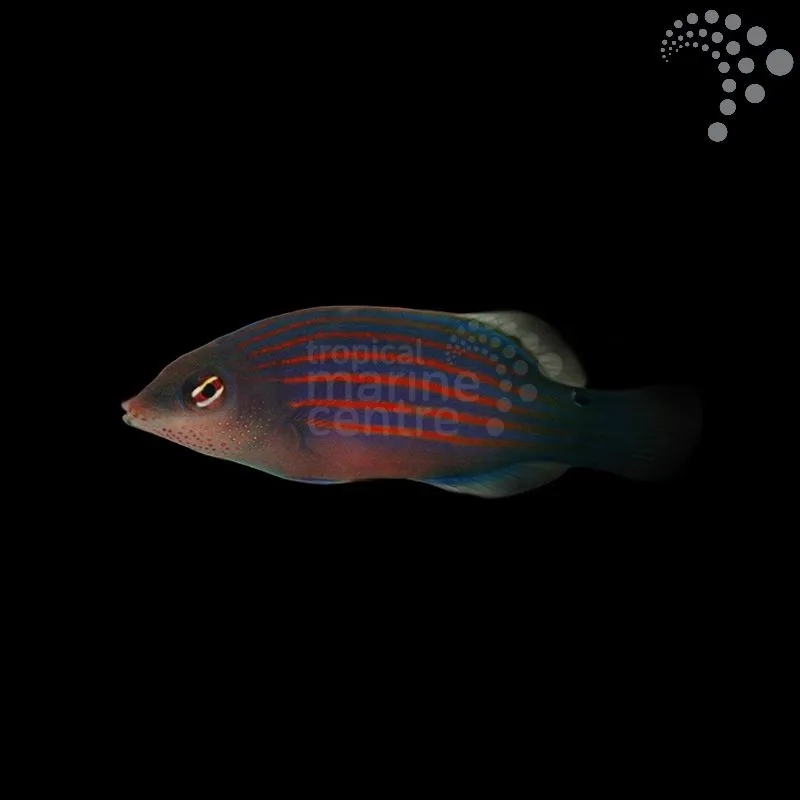
If you’re looking to add a splash of vibrant personality to your marine aquarium, the Pyjama Wrasse (also known as the Six Line Wrasse, though technically a different species) is a popular and captivating choice. With their stunning mix of electric blues, greens, pinks, and yellows—often compared to a psychedelic pair of pyjamas—it’s easy to see why hobbyists are drawn to them. But like any fish, they come with their own quirks and care requirements.
In this post, we’ll explore how to care for a Pyjama Wrasse, from tank setup and feeding habits to behaviour and compatibility. Whether you’re a seasoned reef keeper or new to the hobby, understanding the needs of this lively species will help ensure it thrives in your aquarium.
What Is a Pyjama Wrasse?
They can grow up to 5 inches in length and have a reputation for being hardy, making them a great option for intermediate aquarists.
Enter Your email to be sent this care guide
Setting Up the Perfect Tank
ellow Tail Damsels thrive in marine tanks of at least 70 litres, although larger volumes are recommended to manage aggression and provide swimming space. Keep the water temperature stable between 24°C and 27°C, with salinity levels around 1.020 – 1.025 SG. They appreciate moderate flow, which simulates their natural reef environment, but ensure there are calm spots where they can rest. Live rock structures and caves give them territory and help reduce aggression. These fish can be territorial, so line-of-sight breaks and hiding spaces are key to a peaceful tank. Lighting doesn’t need to be intense, but stable day/night cycles will help them stay settled. Water parameters should be maintained meticulously — ammonia and nitrite must be zero, with low nitrate levels. A weekly water change of 10–15% is ideal for keeping conditions healthy. Although they’re reef-safe, be cautious with particularly delicate or shy tank mates. Fast-moving or more assertive fish are better companions in community setups.
Tank Requirements
To give your Pyjama Wrasse the best chance at a long, happy life, start with the right environment.
Tank Size: A minimum of 200 litres (around 50 gallons) is recommended. These fish are active swimmers and need space to dart around.
Aquascape: Provide plenty of live rock for hiding spots and foraging. These wrasses love to pick at rockwork looking for small critters.
Substrate: A fine sand bed is ideal as they often burrow to sleep or when startled. Crushed coral or sharp gravel can cause injury.
Lid/Cover: A secure lid is a must. Pyjama Wrasses are known jumpers, especially at night or when first introduced to a new environment.
Feeding Your Pyjama Wrasse
One of the joys of owning a Pyjama Wrasse is watching them hunt and peck at rocks throughout the day. That said, you’ll still need to offer a varied diet to keep them healthy.
Diet: Carnivorous by nature, they’ll appreciate a mix of frozen mysis shrimp, brine shrimp, finely chopped seafood, and quality marine pellets or flakes.
Feeding Frequency: Feed them 1–2 times per day, keeping portions manageable to avoid polluting the tank.
Their constant activity means they burn a lot of energy, so consistency is key to keeping them well-fed and stress-free.
Behaviour and Compatibility
Pyjama Wrasses are generally peaceful, but they can show signs of territorial behaviour—especially towards other wrasses or fish with similar body shapes.
Tank Mates: Good companions include clownfish, tangs, gobies, blennies, and many other peaceful reef species. Avoid housing them with overly aggressive fish or other wrasses unless your tank is large enough to reduce conflict.
Reef Safety: They’re mostly reef-safe, but with caution. Some individuals may nip at small invertebrates like shrimp or feather dusters. In larger systems with plenty of rockwork, this behaviour is usually minimal.
Wrasse Quirks and Sleep Habits
One of the more charming aspects of the Pyjama Wrasse is its sleeping routine. At night, it will often dive into the sand to sleep, completely burying itself. This is totally normal—but can be alarming the first time you witness it!
They’re also known to hide for a few days after being introduced to a new tank, emerging once they feel safe.
Final Thoughts
Caring for a Pyjama Wrasse is a rewarding experience for any marine aquarium enthusiast. Their bold colours, quirky behaviour, and endless energy bring a real sense of life to any reef setup. By providing the right tank conditions, a varied diet, and a peaceful community, you’ll enjoy watching this stunning fish thrive.
As always, monitor their behaviour and health regularly, and remember—no two wrasses are exactly alike. With a little patience and understanding, your Pyjama Wrasse will soon become one of your tank’s standout stars.


