Temp
Food
Flow
Difficulty
Getting to Know the Silver Belly Wrasse
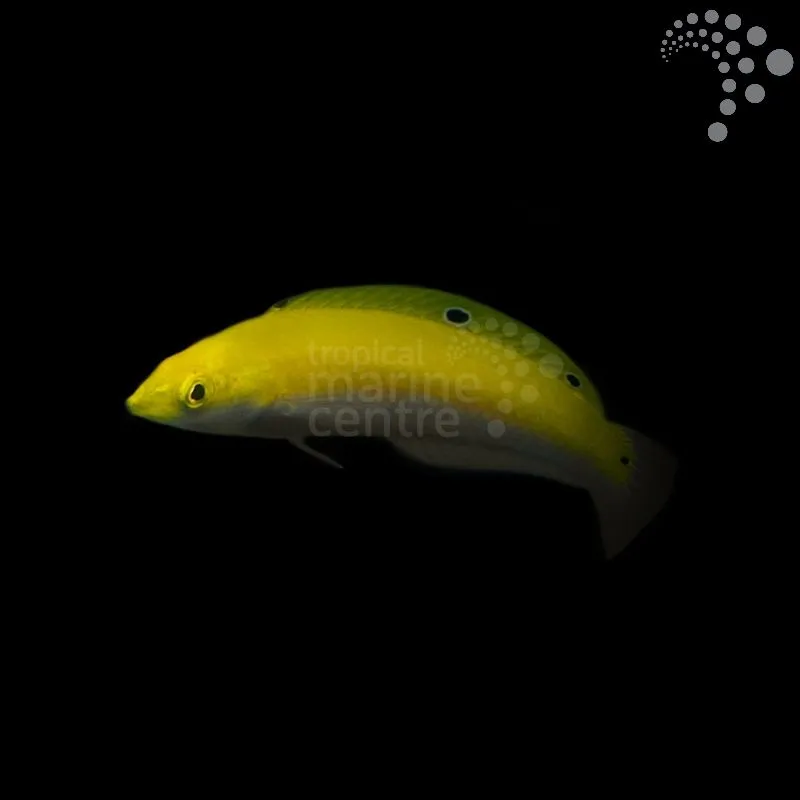
The Silver Belly Wrasse (Pseudocheilinus evanidus) is a graceful and elegant addition to any marine aquarium. Known for its slender body, shimmering silver belly, and subtle pinkish to orange hues on its fins and back, this wrasse is a peaceful yet active swimmer that brings charm and gentle movement to the tank. Typically reaching around 10 cm in length, it originates from the coral reefs of the Indo-Pacific region, where it thrives among rocky crevices and coral formations.
Choosing Your Silver Belly Wrasse
When selecting a Silver Belly Wrasse, choose a specimen that appears lively and curious. Healthy fish will display a smooth, unblemished body with vibrant yet delicate colouration and clear, bright eyes. Avoid any fish that looks lethargic, has damaged fins, or shows signs of stress such as clamped fins or irregular breathing. Observing the fish eating in the store can be a helpful indicator that it will adapt well to your aquarium.
Enter Your email to be sent this care guide
Tank Setup and Environment
Silver Belly Wrasses thrive in tanks of at least 150 litres. They need plenty of live rock with caves and crevices to explore and hide in. A sandy substrate is essential since these wrasses like to burrow and feel more secure with soft sand beneath them. Because they are known jumpers, a tight-fitting lid is recommended to prevent any escape attempts. They prefer calm, peaceful environments where they won’t be bullied by aggressive tank mates.
Feeding and Nutrition
Nori seaweed sheets clipped to the glass daily
Spirulina-based flakes and pellets
Frozen mysis shrimp
Frozen brine shrimp
Chopped clam or prawn (offered occasionally)
Marine algae blends designed for tangs
Silver Belly Wrasses are carnivorous and require a diet rich in protein but will also benefit from some vegetable matter. Offering a variety of foods helps keep them healthy and their colours vibrant. Feed small amounts two to three times daily, ensuring the food is offered near their preferred hiding spots to encourage natural foraging behaviour.
Behaviour and Compatibility
This wrasse is generally peaceful but may become territorial toward other wrasses or fish with a similar shape. They do well when kept singly or in a species-specific group in a large tank. Compatible tank mates include:
Clownfish
Gobies
Blennies
Cardinalfish
Small angelfish
Avoid housing them with aggressive or much larger fish that may intimidate or stress them. Their shy nature means peaceful tank mates are essential for their wellbeing.
Water Conditions and Flow
Temperature 24–27°C
pH 8.1–8.4
Salinity 1.023–1.025
Moderate to strong flow is ideal to maintain oxygenation and circulate food efficiently
Maintaining stable water parameters is vital for the Silver Belly Wrasse’s health. Regular water testing and good filtration will help keep the environment stress-free and disease-free.
Health and Longevity
With proper care, Silver Belly Wrasses can live up to 5 years in captivity. They are generally hardy but can be susceptible to common marine illnesses such as ich if stressed. Always quarantine new arrivals and maintain excellent water quality. Providing a nutritious, varied diet and a peaceful environment supports a long, healthy life.
Final Thoughts
The Silver Belly Wrasse is an elegant and peaceful species that adds subtle beauty and gentle movement to reef aquariums. While it requires some specific tank setup and compatible tank mates, its manageable size and charming behaviour make it a popular choice among intermediate marine hobbyists. Give it a secure home with plenty of hiding places, a balanced diet, and stable water conditions, and you’ll enjoy the company of this graceful fish for years to come.