Getting Started with Frogspawn Coral Care
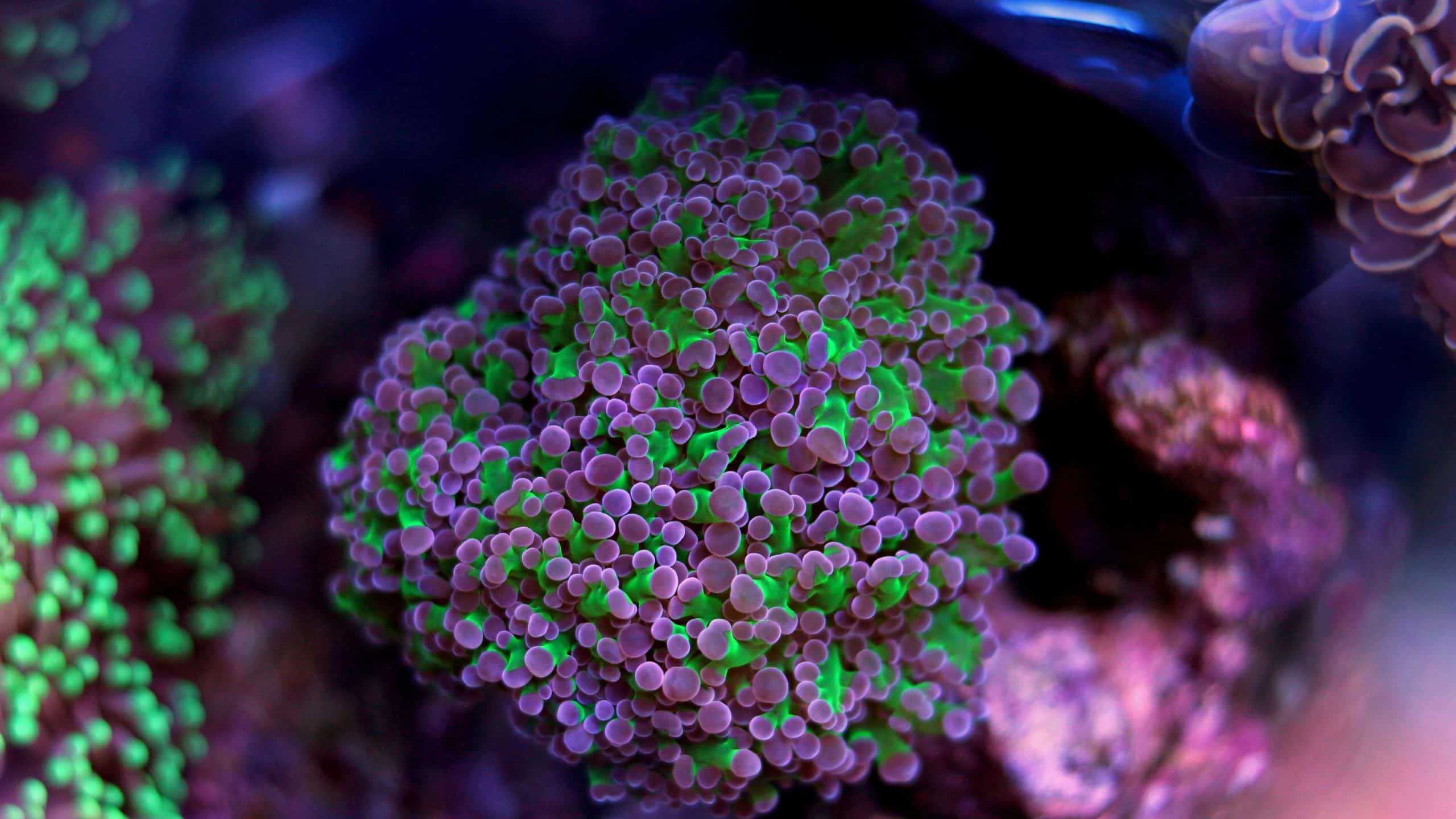
If you’re looking for a coral that’s eye-catching, full of movement, and not too difficult to look after, frogspawn coral is a brilliant choice. It’s one of the most popular LPS (Large Polyp Stony) corals in the reefing world, and for good reason – those long, flowing tentacles look amazing under your tank lights, and the care level is manageable for most reef keepers.
In this post, we’ll go through everything you need to know about frogspawn coral care, from placement and lighting to feeding and water flow.
What Makes Frogspawn Coral So Popular?
Frogspawn (part of the Euphyllia family, alongside hammer and torch corals) is loved for its bubbly, tentacle-like polyps that sway in the current. They add loads of movement to your reef, and the colours can be stunning – from green tips to pinks, purples, and even gold tones.
Another bonus? They’re generally hardier than many other corals, so they’re a solid choice for anyone who’s moving on from soft corals but isn’t quite ready for demanding SPS species.
Placement in Your Tank
When it comes to frogspawn placement, aim for the middle to lower sections of your tank. They don’t need blasting with high light like SPS corals, but they do enjoy moderate lighting. Somewhere with steady but not overpowering flow is ideal – you want those tentacles to move gently, not whip around like they’re in a storm.
Make sure to give them some space. Frogspawn have long sweeper tentacles that come out at night and can sting nearby corals, so don’t cram them too close to your other LPS or softies.
Lighting Needs
Frogspawn corals do best under moderate reef lighting. LEDs, T5s, or metal halides all work fine, as long as you don’t blast them with too much intensity. Start them lower in the tank and move them up slowly if you want to test stronger light. Watch their polyp extension – if they’re pulled in tight, the light might be too strong.
Water Flow
Moderate flow is the sweet spot. Too much flow and the polyps can retract or even get damaged. Too little flow and they may not expand properly. You’re aiming for a gentle sway in the current – like a soft breeze rather than a gale.
Feeding Frogspawn Coral
While frogspawn corals get a lot of energy from light (thanks to the zooxanthellae in their tissue), they also benefit from a bit of direct feeding. You don’t need to overdo it, but occasional target feeding with meaty foods like mysis shrimp or a coral-specific food can help them grow faster and look healthier.
Water Parameters
Like most LPS corals, frogspawn prefer stable conditions. Here’s a good guideline:
Temperature: 24–26°C
Salinity: 1.025–1.026 SG
Alkalinity: 8–10 dKH
Calcium: 400–450 ppm
Magnesium: 1250–1350 ppm
Nitrate & Phosphate: Keep low but not at zero – a little nutrient is better than stripping it all out.
Regular testing and water changes will help keep everything stable.
Common Problems
The most common issue with frogspawn is tissue recession, which usually comes down to unstable parameters, too much flow, or damage from pests like brown jelly disease. Catching problems early is key – if you see brown slime or melting tissue, siphon it out and dip the coral straight away.
Why Frogspawn is a Great Choice
Frogspawn corals strike a nice balance between being hardy and still looking stunning. They move beautifully in the current, come in a range of colours, and are generally forgiving as long as you keep your water stable. They’re also a great way to practice caring for LPS before moving onto more demanding species.
Final Thoughts
If you want a coral that looks impressive but won’t drive you mad with tricky care, frogspawn is a fantastic option. Give it moderate light, moderate flow, and stable water, and it’ll reward you with years of growth and movement. Just remember to give it a bit of space so it doesn’t sting its neighbours, and you’ll have one of the most eye-catching centrepieces in your reef.