Temp
Food
Flow
Difficulty
Getting to Know the Corazon Damsel
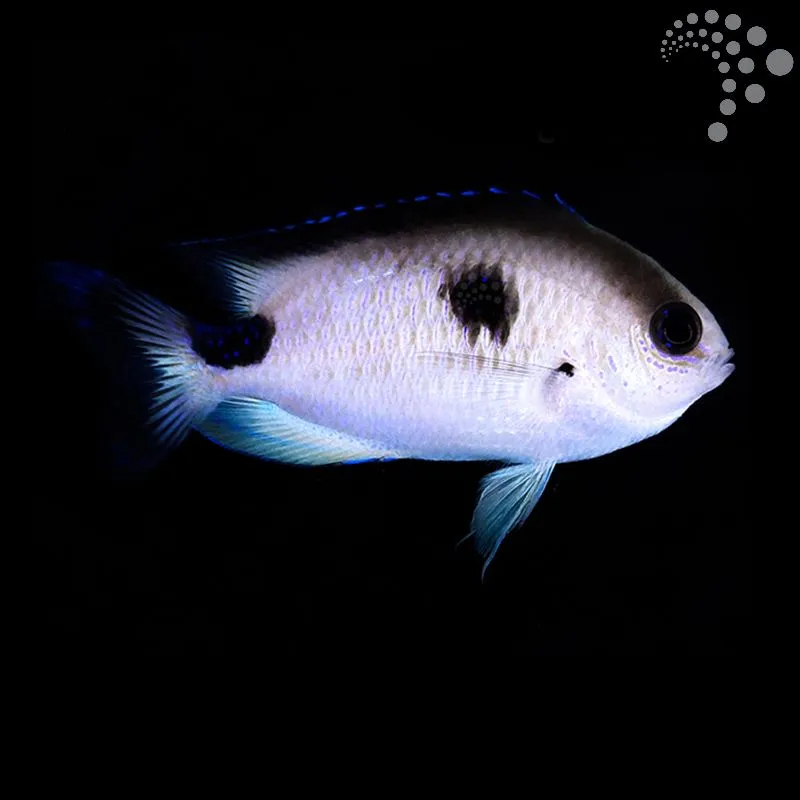
The Corazon Damsel (Pomacentrus vatosoa), native to the waters of Madagascar, is a relatively new and striking addition to the marine aquarium hobby. Known for its deep purple-blue hues and vivid yellow accents, this small fish packs a punch in terms of both colour and personality. Like many damselfish, the Corazon is active, hardy, and relatively easy to care for, making it a great option for reef tank owners who want a splash of vibrant energy. But be warned—what it lacks in size, it makes up for in confidence, often becoming the boss of its corner of the tank.
Enter Your email to be sent this care guide
Tank Requirements
Although Corazon Damsels are small—typically reaching about 6–7cm—they’re very active and somewhat territorial, so it’s important to give them the right amount of space. A tank size of at least 80 litres (around 20 gallons) is the minimum, but a larger aquarium is better if you plan to house them with other fish.
Live rock is a must, as it provides both territory and hiding spaces. This structure allows the damsel to establish a “home base” and helps reduce aggression. A secure lid is also recommended, as they can jump if startled or stressed.
Water Quality and Parameters
Corazon Damsels are generally hardy and can tolerate a range of conditions, but for long-term health and vibrant colouring, stable and clean water is essential:
Temperature: 24°C to 27°C
pH: 8.1 to 8.4
Salinity: 1.023 to 1.025
Flow rate: Moderate
Weekly water changes of 10–15% and solid biological filtration help maintain excellent water quality. These fish are well suited to reef tanks, and stable parameters will help keep them active and healthy.
Diet and Feeding
The Corazon Damsel is an omnivore and not particularly fussy when it comes to food. They do well on a varied diet that includes both plant-based and protein-rich options:
High-quality marine flakes or pellets
Frozen mysis shrimp
Brine shrimp
Marine algae or spirulina-enriched foods
Feeding them once or twice a day is usually enough, and they are quick to learn feeding routines. Keeping a varied diet will not only support their immune system but also enhance their natural colours.
Compatibility and Behaviour
Corazon Damsels are known for being territorial, particularly as they mature. While this can be managed, it’s something to keep in mind when planning your stocking list. They can be kept in community setups, but they may chase or harass more peaceful or shy tank mates, especially in smaller tanks.
Ideal tank mates include similarly sized semi-aggressive fish such as clownfish, wrasses, and dottybacks. It’s best to avoid very passive species or housing multiple damsels together unless you have a large, well-structured tank to minimise conflict.
Common Health Issues
This species is generally robust and resistant to disease when kept in good conditions. However, like all marine fish, they can still be susceptible to marine ich, bacterial infections, or stress-related issues if water quality declines.
Always quarantine new arrivals before introducing them to your display tank, and monitor behaviour closely—sudden hiding, appetite loss, or erratic swimming can be early signs of trouble.
Final Thoughts
The Corazon Damsel is a bold, beautiful, and low-maintenance choice for reef tank owners looking to add a bit of flair and activity to their setup. While they do come with a bit of attitude, their hardiness, colour, and energetic nature make them a rewarding species to care for. With the right tank mates, good water quality, and a solid aquascape, the Corazon Damsel will be a standout in your aquarium for years to come.