Temp
Food
Flow
Difficulty
Getting To Know The Dogface Puffer – Hush Puppy
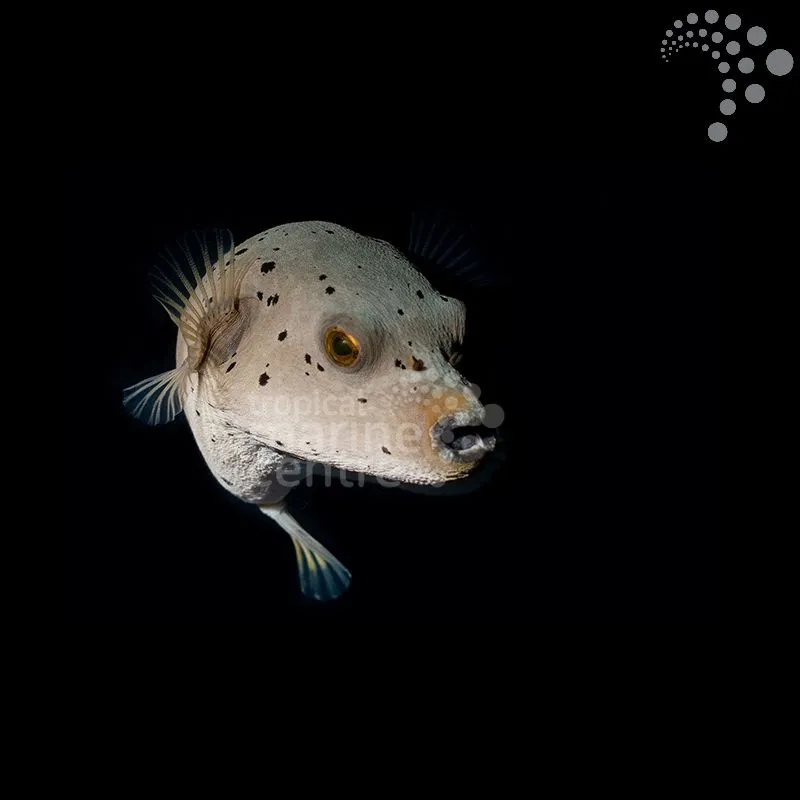
The Dogface Puffer – also affectionately known as the Hush Puppy – is a wonderfully expressive marine species that’s loved for its dog-like face, engaging behaviour, and curious personality. Officially known as Arothron nigropunctatus, this Indo-Pacific native is part of the pufferfish family and makes a memorable addition to larger fish-only marine systems. With their oversized eyes, rounded body, and endearing expressions, Dogface Puffers quickly become a favourite among fishkeepers. However, while they’re full of charm, they do require careful attention and the right conditions to thrive.
Enter Your email to be sent this care guide
Tank Requirements
The Dogface Puffer grows to around 30cm in length, so they need a spacious environment to move about comfortably. A minimum tank size of 400 litres (100 gallons) is recommended, but larger is always better—especially for adult specimens. They’re not the fastest swimmers but enjoy having open areas for exploration as well as caves or shaded zones to retreat to when they need a rest.
They are best suited to a fish-only with live rock (FOWLR) setup. While they’re not aggressive toward all tank mates, they have powerful beaks and may nip at invertebrates or smaller fish. Avoid reef systems with delicate corals or small ornamental shrimp and snails, as these may quickly become snacks.
Water Quality And Parameters
Dogface Puffers are hardy overall, but water stability is essential for their long-term health. They’re sensitive to high nitrate levels and require clean, well-oxygenated water. Regular maintenance, including water changes and testing, should be part of your routine.
Temperature: 24°C to 27°C
pH: 8.1 to 8.4
Salinity: 1.023 to 1.025
Flow Rate: Moderate
Although they don’t enjoy strong current, some movement is needed to ensure oxygenation and prevent stagnant areas.
Diet And Feeding
Feeding the Hush Puppy Puffer is one of the more enjoyable aspects of keeping them—they’re enthusiastic eaters and often interact with their keepers at feeding time. However, their diet needs variety and substance to maintain health and wear down their continually growing teeth.
Their beak can overgrow if they don’t have access to hard foods, so it’s crucial to provide shelled or crunchy options.
Chopped clam, mussel, and prawn
Squid and krill
Hard-shelled crustaceans (like crab legs or cockles)
Marine pellets (occasionally)
Soaked nori or marine algae for variety
Feed small amounts once or twice per day. Avoid overfeeding, as puffers can be prone to obesity.
Compatibility And Behaviour
Dogface Puffers are typically peaceful but can be unpredictable. Each individual has its own personality, and while many coexist well with similarly sized fish, some can become nippy. Avoid housing them with very small or passive species. Good tank mates include triggers, groupers, tangs, and large angelfish—as long as everyone has space.
It’s also worth noting that puffers can inflate when threatened or overly stressed. While this is a defence mechanism, it’s stressful for them and shouldn’t be triggered intentionally.
Common Health Issues
Dogface Puffers can suffer from parasitic infections (especially ich) and bacterial problems if water quality is poor. They also have sensitive skin, lacking scales or a protective slime coat, which makes them more vulnerable than many other marine fish.
Quarantine new arrivals, monitor for signs of illness, and maintain water parameters consistently. Also, be mindful of tooth overgrowth—if their teeth aren’t naturally worn down by diet, they may eventually need trimming by a vet or experienced aquarist.
Final Thoughts
Keeping a Dogface Puffer – Hush Puppy is an incredibly rewarding experience. They’re one of the most interactive and personable marine fish, often recognising their owners and begging for food with those big, expressive eyes. That said, they aren’t a beginner fish. Their size, dietary needs, and potential behaviour quirks mean they’re better suited for hobbyists with some experience and a well-maintained setup. If you can meet their needs, you’ll have a truly unforgettable aquatic companion.