Temp
Food
Flow
Difficulty
Getting to Know the Lipstick Tang – West Indian Ocean
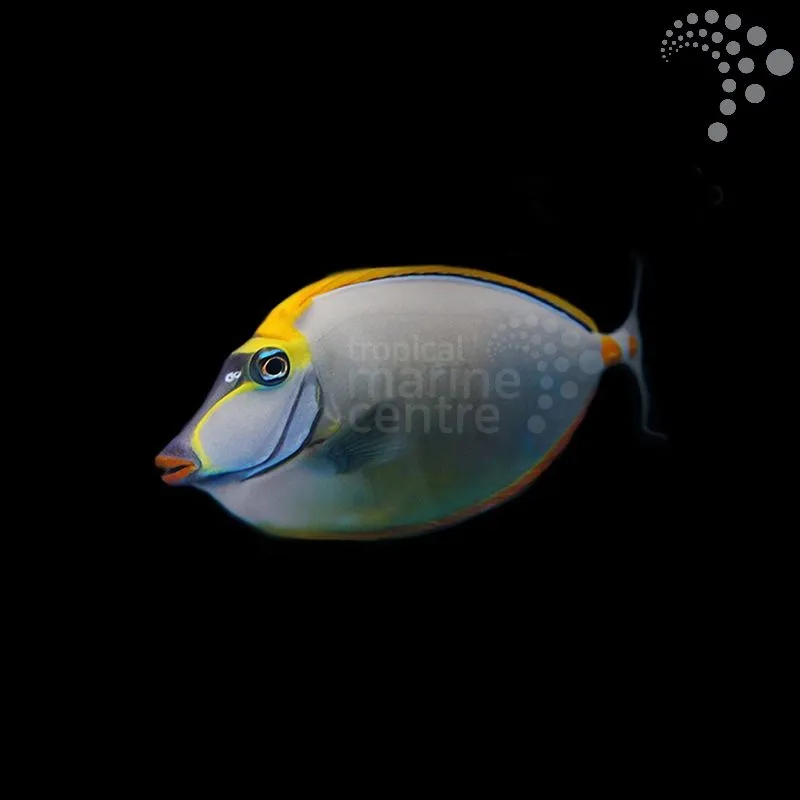
The Lipstick Tang – West Indian Ocean (Naso lituratus, West Indian Ocean variant) is a truly eye-catching addition to any large saltwater aquarium. Named for its vivid reddish-orange marking around the mouth, this striking fish is also known as the Naso Tang or Orangespine Unicornfish. The West Indian Ocean variety tends to feature deeper body tones and bolder facial contrasts, making it particularly popular among aquarists seeking a standout specimen.
Native to the coral-rich reefs of the Indian Ocean, this tang is admired not only for its appearance but also for its graceful swimming style and relatively peaceful nature. While it does require a sizeable tank and stable conditions, the Lipstick Tang rewards committed fishkeepers with years of colour and character.
Choosing Your Lipstick Tang – West Indian Ocean
When selecting a Lipstick Tang, look for an individual that is alert, active, and confidently exploring its environment. Healthy fish will display bright colouration, clear, undamaged fins, and responsive behaviour.
Watch for any signs of laboured breathing, discolouration, or lethargy. If possible, ask whether the fish is already accepting prepared foods—this often leads to a smoother acclimation process at home.
Due to their potential size and swimming needs, these tangs are best introduced to an established tank with plenty of open space and well-oxygenated water.
Enter Your email to be sent this care guide
Tank Setup and Environment
Lipstick Tangs grow quite large, reaching up to 45 cm (18 inches) in captivity, so space is crucial. A minimum tank size of 680 litres (180 gallons) is recommended, with even more volume being ideal for mature individuals.
They are fast swimmers and naturally cruise long distances in the wild, so the layout should include open swimming space as well as plenty of live rock for grazing and security. Structures like arches and caves provide natural barriers and rest areas, helping reduce stress and aggression.
A secure, tightly fitting lid is essential, as these fish can jump—especially during acclimation or when startled.
Feeding and Nutrition
Lipstick Tangs are primarily herbivores, but they benefit from a balanced diet that includes both plant and animal matter. In the wild, they graze on marine algae and detritus throughout the day.
In the aquarium, their diet should include:
Nori sheets (dried seaweed) clipped to the glass
Spirulina and algae-based flakes or pellets
Frozen mysis and brine shrimp
Marine herbivore formulas with added vitamins
Feed 2–3 times daily in small portions. Consistent feeding supports their immune system, maintains vibrant colours, and reduces the risk of coral-nipping or aggression.
Behaviour and Compatibility
This species is generally peaceful but can show territorial behaviour, especially towards other tangs or fish with a similar body shape. For best results:
Keep only one Lipstick Tang per tank
Avoid mixing with other Naso or Acanthurus species unless in an extra-large system
Add them last to an established community to reduce territorial conflict
They do well with clownfish, wrasses, gobies, blennies, and other peaceful reef species. While not aggressive by nature, their size and dominance in the tank can make timid fish feel crowded.
Water Conditions and Flow
Lipstick Tangs thrive in clean, stable environments with consistent parameters. Strong filtration and good surface agitation are essential for oxygenation.
Temperature: 24–27°C
pH: 8.1–8.4
Salinity: 1.023–1.025
Flow: Moderate to strong
They enjoy moderate to high water flow that mimics the ocean’s natural currents, helping them stay active and encouraging natural foraging behaviours.
Health and Longevity
Once settled, the Lipstick Tang is a hardy and long-lived species. However, they are susceptible to common marine illnesses like marine ich (white spot) or velvet, particularly during transport or periods of stress.
To protect their health:
Quarantine new arrivals before introducing them to your display tank
Maintain excellent water quality
Offer a varied diet
Avoid overcrowding or unsuitable tankmates
With proper care, these beautiful fish can live for 8–12 years in captivity, often becoming one of the most interactive and recognisable members of the tank.
Final Thoughts
The Lipstick Tang – West Indian Ocean is a truly spectacular fish for the experienced marine aquarist. Its flowing fins, bold markings, and vibrant personality make it a commanding centrepiece in any large setup. While it does require space, thoughtful tank planning, and a consistent care routine, it more than rewards you with energy, movement, and presence.
Whether you’re designing a peaceful reef or a colourful fish-only display, the Lipstick Tang brings a touch of elegance and flair that’s hard to match.