Temp
Food
Flow
Difficulty
Getting to Know the Lipstick Tang – West Indian Ocean
The Lipstick Tang – West Indian Ocean (Naso lituratus, West Indian Ocean variant) is a truly eye-catching addition to any large saltwater aquarium. Named for its vivid reddish-orange marking around the mouth, this striking fish is also known as the Naso Tang or Orangespine Unicornfish. The West Indian Ocean variety tends to feature deeper body tones and bolder facial contrasts, making it particularly popular among aquarists seeking a standout specimen.
Native to the coral-rich reefs of the Indian Ocean, this tang is admired not only for its appearance but also for its graceful swimming style and relatively peaceful nature. While it does require a sizeable tank and stable conditions, the Lipstick Tang rewards committed fishkeepers with years of colour and character.
Choosing Your Lipstick Tang – West Indian Ocean
When selecting a Lipstick Tang, look for an individual that is alert, active, and confidently exploring its environment. Healthy fish will display bright colouration, clear, undamaged fins, and responsive behaviour.
Watch for any signs of laboured breathing, discolouration, or lethargy. If possible, ask whether the fish is already accepting prepared foods—this often leads to a smoother acclimation process at home.
Due to their potential size and swimming needs, these tangs are best introduced to an established tank with plenty of open space and well-oxygenated water.
Enter Your email to be sent this care guide
Tank Setup and Environment
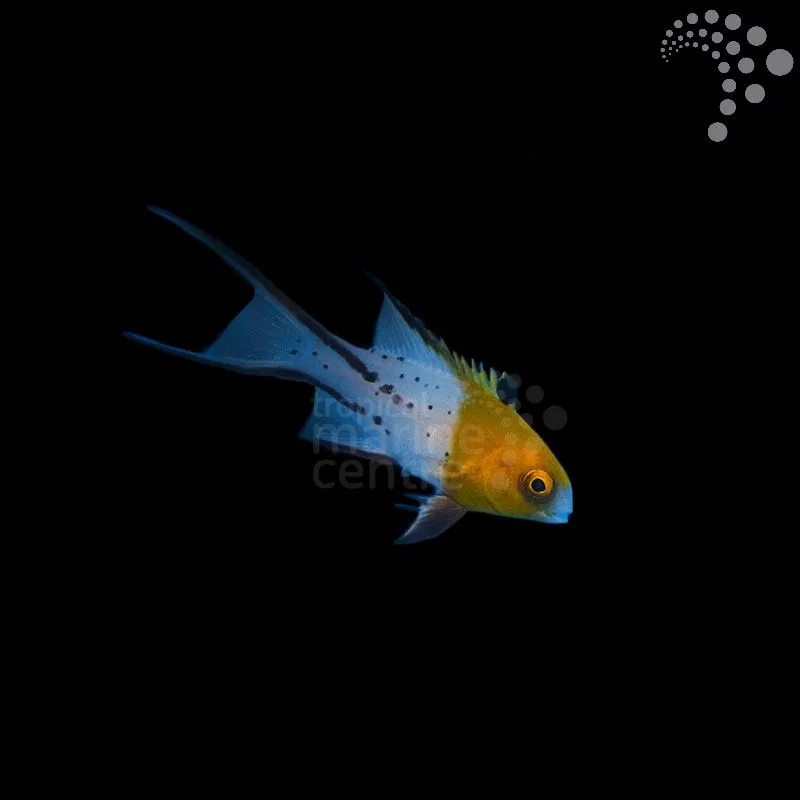
Lyretail Hogs require a minimum tank size of 250 litres, though larger systems are recommended to accommodate their energetic swimming style. These fish thrive in tanks with plenty of live rock, open swimming space, and secure hiding areas such as caves or ledges.
They enjoy weaving through the aquascape and investigating every nook and cranny. Make sure the tank has a tight-fitting lid, as this species is known to jump when startled or during feeding excitement.
While they are generally reef-safe with corals, caution should be taken with small ornamental invertebrates such as shrimp, snails, and crabs, as they may occasionally nip or eat them—especially if underfed.
Feeding and Nutrition
The Lyretail Hog is carnivorous, and it thrives on a protein-rich diet. In the wild, it feeds on small crustaceans, worms, and invertebrates. In the aquarium, aim for a varied diet that includes:
Frozen mysis shrimp and brine shrimp
Chopped clam, squid, or prawn
Marine carnivore pellets and flakes
Occasional live foods as a treat or for enrichment
Feed 2–3 times daily in small portions. These fish have fast metabolisms and will remain more active, colourful, and less prone to aggression when well-fed.
Behaviour and Compatibility
Lyretail Hogfish are active, semi-aggressive, and very aware of their environment. While they typically ignore peaceful tankmates, they may assert dominance over similarly shaped or smaller species, especially in tighter spaces.
They do best in tanks with:
Clownfish
Wrasses
Tangs
Angelfish
Gobies (larger species)
Avoid pairing them with very timid or tiny fish, as their energy can be overwhelming. Also avoid keeping more than one hogfish per tank unless the system is large and specifically designed to manage territorial behaviour.
Water Conditions and Flow
The Lyretail Hog is quite hardy but still requires stable conditions and regular maintenance to stay healthy.
Temperature: 24–27°C
pH: 8.1–8.4
Salinity: 1.023–1.025
Flow: Moderate to strong
They enjoy moderate to strong water flow that mimics the natural surge zones of reef slopes. This helps keep them engaged and supports a healthy oxygen level in the tank.
Health and Longevity
With proper care, Lyretail Hogs can live up to 10 years or more in captivity. They’re relatively disease-resistant but can still fall ill if water quality dips or they experience high levels of stress.
To protect their health:
Quarantine new arrivals
Avoid sudden changes in parameters
Provide a high-protein, varied diet
Offer plenty of space to reduce stress and aggression
Regular observation and proactive care are key to preventing issues like marine ich or fin damage from tankmate interactions.
Final Thoughts
The Lyretail Hog – West Indian Ocean is a stunning and charismatic fish that brings colour, movement, and a bit of cheeky behaviour to any suitable marine setup. Its bold swimming style and curiosity make it a standout, while its hardiness and adaptability make it a favourite for intermediate aquarists.
With the right tank size, a secure aquascape, and a balanced carnivorous diet, this fish will not only thrive but become a lively and long-term member of your reef or fish-only system.