If you’re looking to add a splash of vibrant colour to your reef tank, few corals deliver quite like the Chalice Coral. Known for their bold patterns and dazzling hues, Chalices are a favourite among collectors – but they can also be a little intimidating for newcomers.
The good news? With the right knowledge, they’re not as difficult to keep as many people think. In this guide, we’ll break down everything you need to know about caring for Chalice Corals – from lighting and placement to feeding and growth.
What Are Chalice Corals?
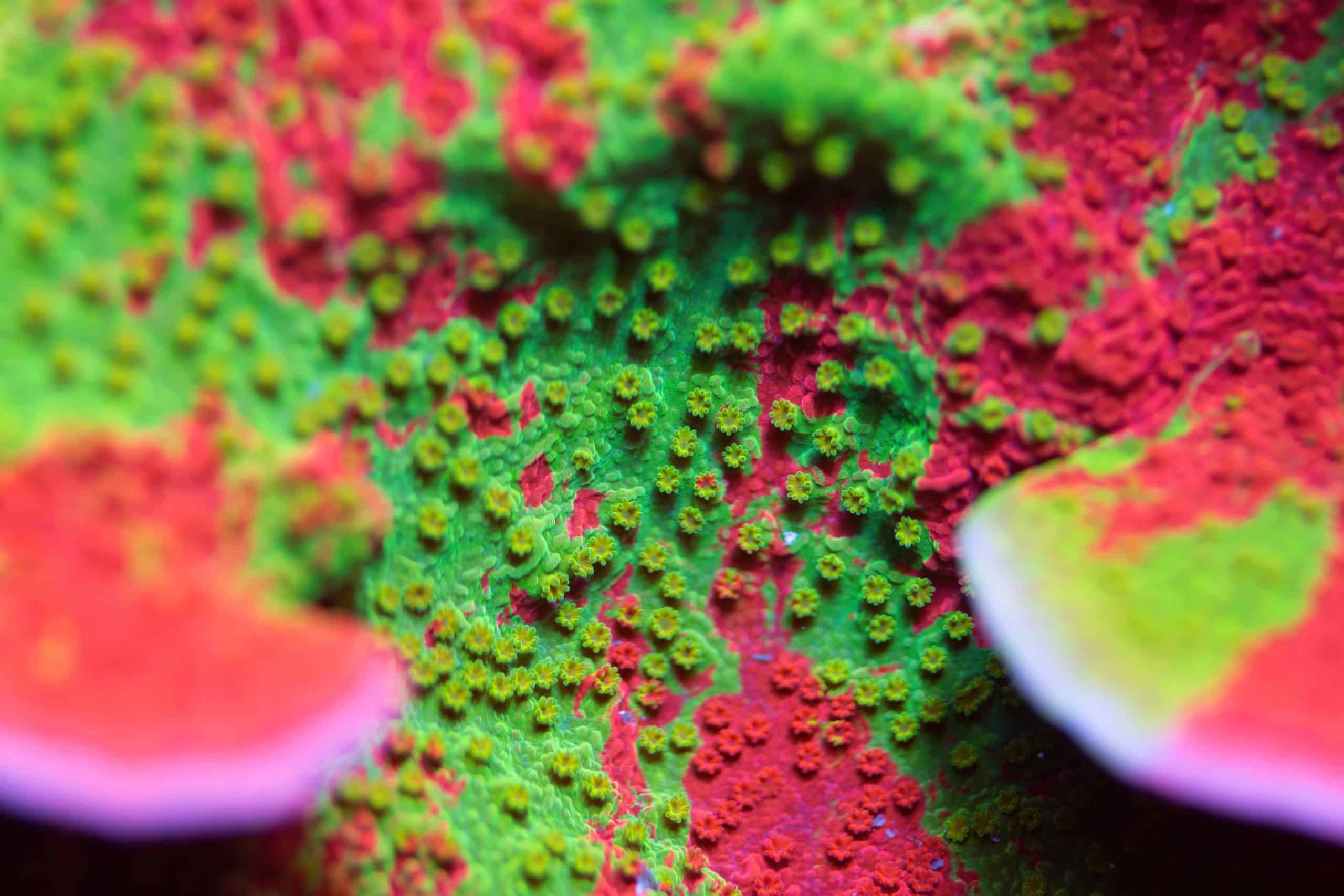
The term “Chalice Coral” doesn’t refer to just one species – it’s a common name used for several genera of large polyp stony (LPS) corals, including Echinophyllia, Oxypora, and Mycedium. What they all share is a flat, encrusting or plating growth form and an incredible range of colours, from bright greens and blues to rainbow patterns that look almost unreal.
They’re slow growers compared to some LPS, but their visual impact makes them a prized coral for reefers who want to build a truly eye-catching display.
Lighting Requirements
Chalices don’t like to be blasted with intense light. In fact, too much light is one of the quickest ways to lose their brilliant colouration. Aim for low to moderate lighting – a PAR range of 50–120 is usually ideal. Place them towards the bottom or shaded areas of your tank. If you’re running high-powered LEDs, make sure they’re not directly under the strongest point.
A good rule of thumb is to watch their colour. If your Chalice starts losing vibrancy or turning pale, it may be getting too much light.
Water Flow
Chalice Corals prefer a more relaxed environment when it comes to flow. Low to moderate, indirect flow works best. You want enough water movement to prevent detritus from settling, but not so much that the tissue is constantly being battered. If your Chalice’s tissue looks like it’s pulling away from the skeleton, too much flow could be the culprit.
Because of their flat, plating growth, waste can sometimes build up on the surface. A gentle, rolling current usually solves this problem.
Placement Tips
Getting placement right is especially important for Chalices. Place them low down in the tank where lighting is less intense. They’re often best kept on the substrate or lower rocks, away from aggressive neighbours. Chalices can have long sweeper tentacles at night, so give them plenty of space to avoid stinging other corals.
Since they encrust and spread over surfaces, you can mount a Chalice frag on a small rock and let it grow naturally, eventually becoming a striking plate.
Feeding Chalice Corals
Feeding is one of the most rewarding parts of keeping Chalices. They’re highly receptive to food, and regular feeding helps them grow faster and maintain their colours. Offer meaty foods like mysis shrimp, brine shrimp, or reef roids. Target feeding once or twice a week is usually enough. Feed at night or just after lights out, when their feeding tentacles are extended.
You’ll often see small mouths across the surface of a Chalice. Directing food towards these polyps is the best way to encourage growth.
Water Parameters
Like all LPS corals, Chalices thrive in stable water conditions. Temperature should be between 24–26°C, with salinity at 1.025 SG. Maintain alkalinity between 8–10 dKH, calcium between 400–450 ppm, and magnesium at 1250–1350 ppm. Nitrates should stay around 5–15 ppm, and phosphates between 0.03–0.1 ppm.
Keeping nutrients slightly elevated (not ultra-low) tends to bring out richer colours in Chalices.
Common Challenges with Chalice Corals
Chalices are hardy once settled, but a few challenges catch new keepers off guard. Colour loss is usually from too much light. Moving them lower often helps. Tissue recession is often linked to swings in alkalinity or low magnesium. Slow growth is normal – Chalices naturally grow slowly, so patience is key.
The biggest tip? Don’t chase growth too aggressively. Focus on stability, and your Chalice will reward you over time.
Why Chalices Are Worth It
Chalices bring something truly unique to a reef tank – not just colour, but a different growth form that contrasts beautifully with branching SPS or flowing LPS corals. Their slow, steady growth makes them a long-term project coral, and many reefers enjoy watching a small frag gradually transform into a colourful plate over the years.
Some of the rarer “rainbow” Chalices are among the most sought-after corals in the hobby, and for good reason. Under the right conditions, they can glow with almost neon vibrancy.
Final Thoughts
For beginners willing to learn their preferences, Chalice Corals are a brilliant introduction to more colourful and unique LPS corals. By keeping them in low to moderate light, gentle flow, and stable water conditions, you’ll set the stage for success. Add in occasional feeding, and you’ll see their colours pop like never before.
If you want a coral that adds instant visual impact and becomes more stunning as it grows, the Chalice Coral deserves a spot in your reef.