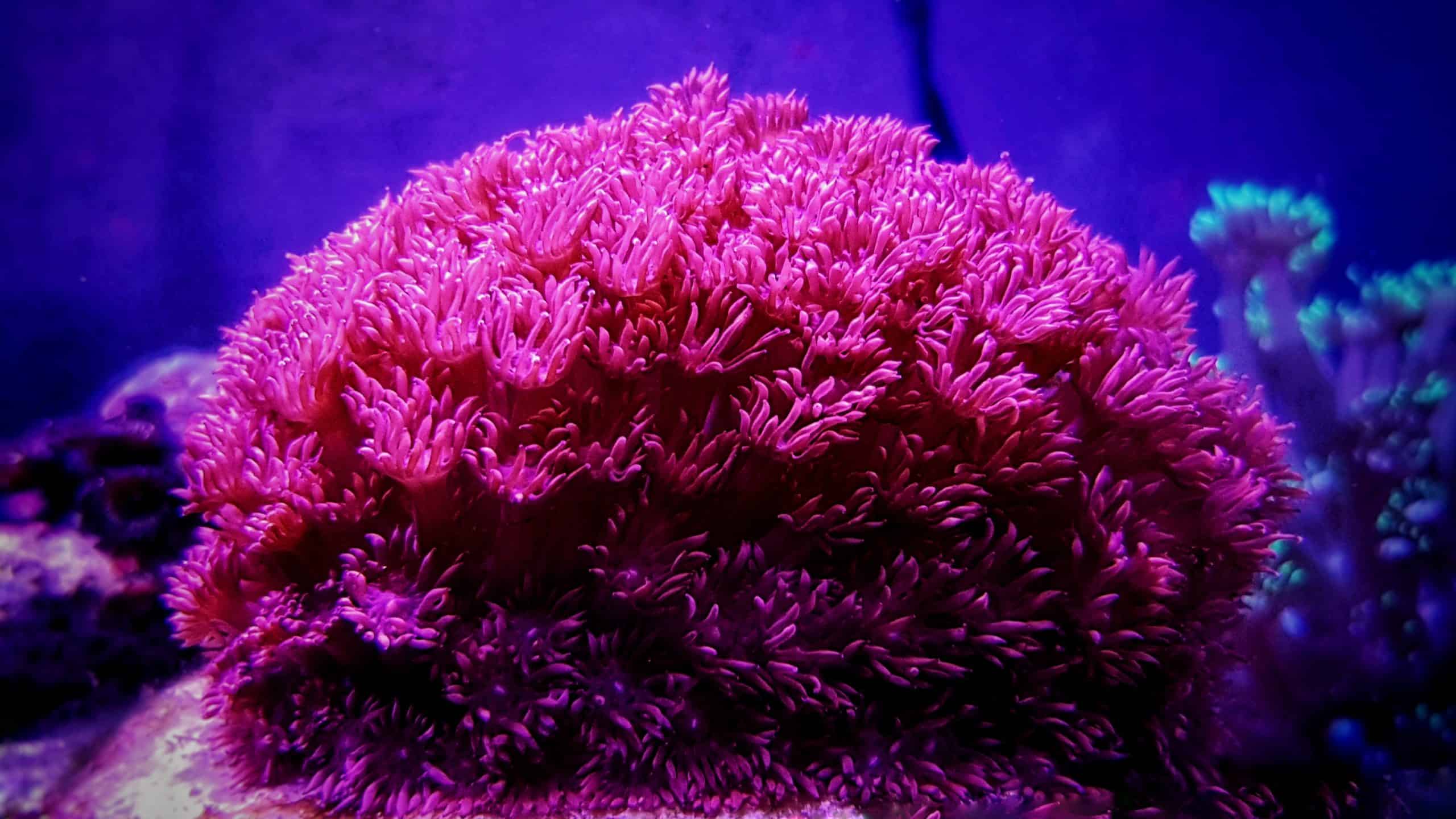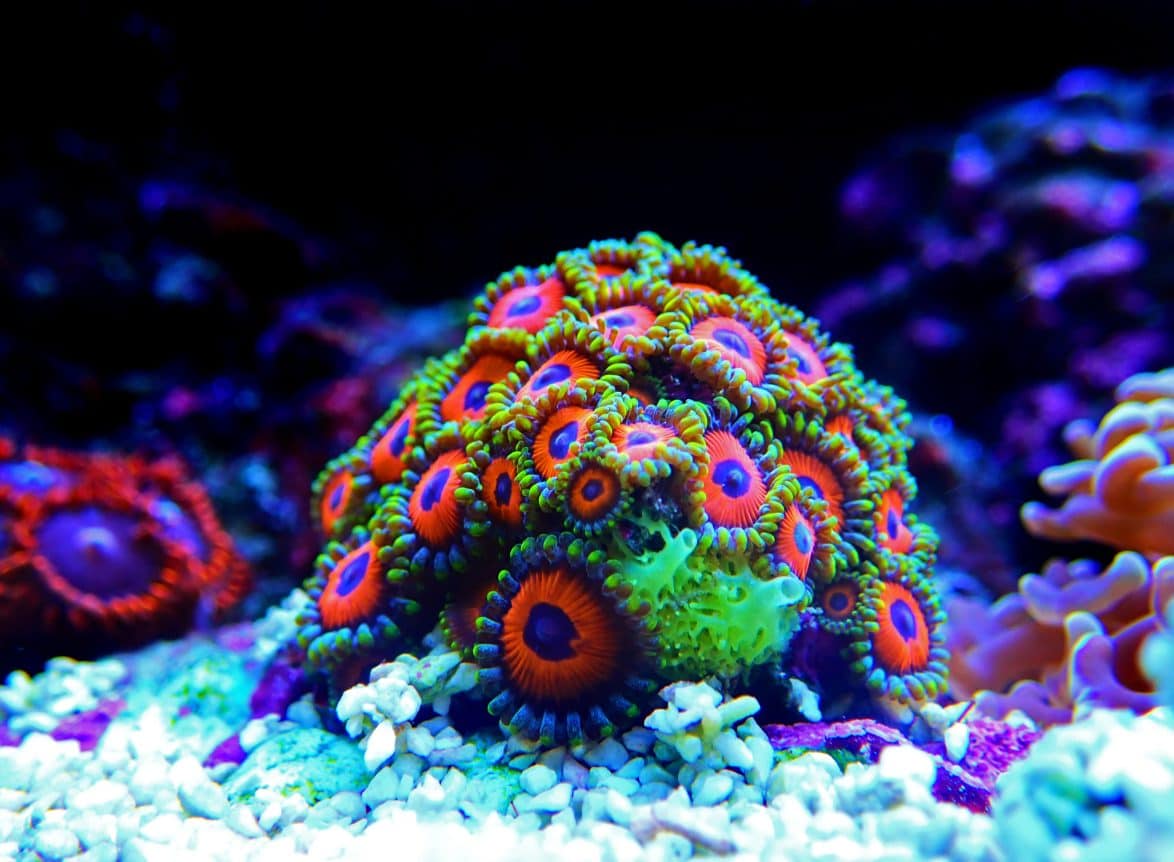
There’s a reason Goniopora corals are nicknamed Flowerpot Corals – when their polyps are fully extended, they look like a garden of tiny flowers swaying in the current. Few corals capture the imagination of reef keepers quite like these. But they also have a reputation: beautiful, yes… but notoriously difficult to keep alive long-term.
So, is that reputation deserved? Let’s take a closer look.
A Quick Introduction
Scientific name: Goniopora
Common name: Flowerpot Coral
Type: Large Polyp Stony (LPS)
Growth form: Rounded colonies covered with long, delicate tentacles
Appeal: Mesmerising flower-like extension, often in greens, reds, or even rainbow morphs
For years, Goniopora were considered “impossible” corals. Many reefers avoided them altogether, as most specimens wasted away within a year. But with better understanding of their needs, success rates have improved dramatically.
Why Goniopora Have a Bad Reputation
The challenge comes down to nutrition and stability. Unlike tougher LPS corals (such as hammers and trumpets), Goniopora demand a bit more care. They extend long, delicate polyps that are prone to damage from too much flow. Their nutritional needs are higher – light alone isn’t enough. And they can react badly to swings in alkalinity, calcium, or magnesium.
In short: they’re not impossible, but they’re not “set and forget” corals either.
Placement and Flow
Unlike some corals where lighting comes first, with Goniopora, placement is often the make-or-break factor. Place them low to mid in the tank, away from high-intensity light zones. Flow should be gentle and indirect – enough to make the polyps sway gracefully, not thrash about. Avoid positioning them near aggressive neighbours. Those delicate polyps are easily stung.
Think of them as the “flowerbed” of your reef. They like a peaceful, open spot where they can spread out.
Feeding – The Real Key
If there’s one golden rule with Goniopora, it’s this: feed them. Use fine powdered coral foods like reef roids or phytoplankton. Spot-feed with a pipette a couple of times a week. Supplement with occasional meaty foods like enriched brine shrimp or finely chopped mysis.
Reefers who feed their Goniopora regularly often see huge improvements in longevity and growth. Without feeding, they tend to slowly decline.
Lighting Preferences
While they do contain zooxanthellae and benefit from photosynthesis, Goniopora don’t want blasting light. Low to moderate lighting is best – PAR around 60–120. Too much light often leads to retracted polyps and fading colour. They often thrive at the edges of rockwork or shaded areas.
If you notice your Goni pulling in and sulking, lighting may be the culprit.
Water Chemistry
Like most LPS, Goniopora demand stable water. Keep your parameters in these ranges:
Temperature: 24–26°C
Salinity: 1.025 SG
Alkalinity: 8–10 dKH
Calcium: 420–450 ppm
Magnesium: 1300+ ppm (they tend to like it slightly higher)
Nitrates: 5–15 ppm
Phosphates: 0.03–0.1 ppm
Common Problems
Polyp retraction: often linked to flow or lighting stress.
Slow tissue loss: usually due to starvation.
Brown Jelly Disease: can strike stressed colonies, and spreads quickly.
Tips for Success
✅ Place them in calm areas of the tank
✅ Keep parameters stable, especially magnesium
✅ Feed fine foods regularly
✅ Don’t blast them with flow
✅ Be patient – they take time to settle
Are They Worth the Effort?
Absolutely. When happy, a Goniopora is one of the most mesmerising corals in the hobby. Watching a full colony extend its flower-like polyps is like having a living bouquet in your tank.
Yes, they demand a little extra attention. But for reefers willing to feed and maintain stable conditions, they can thrive – and reward you with stunning, hypnotic movement.
Final Word
Goniopora Corals are not for everyone, but they don’t deserve the “impossible coral” label anymore. With regular feeding, gentle flow, and stable water, they can become one of the highlights of your reef. If you’re up for the challenge, they’ll repay you with beauty few corals can match.